High Eye Pressure and Glaucoma: The Natural Approach Thousands Are Using to Support Healthy Eye Pressure
If you have been diagnosed with glaucoma or told your eye pressure is high, you already know the hardest part: it happens in silence. Here is what those numbers actually mean — and what people with ocular hypertension are doing naturally, alongside the care their doctor prescribed.

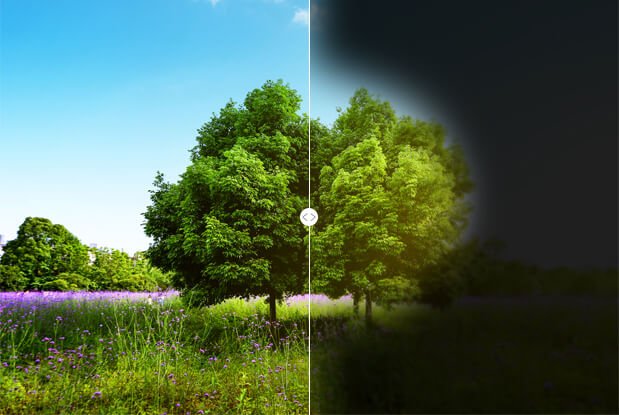
If your eye doctor has said the words "high eye pressure" or "glaucoma" to you, you have probably had a quiet moment of worry since: what happens to my sight from here? It is a fair question. Glaucoma works silently — no pain, no early warning — and by the time most people notice a change, it has already been developing for years.
That silence is exactly why so many people, once they have a number on a chart, start asking a second question: besides the drops, is there anything natural I can do to support my eyes? This report answers that — starting with what the numbers mean.
What Is Glaucoma — And How Is It Linked to High Eye Pressure?
"Glaucoma" is not one disease but a group of conditions affecting the optic nerve — the cable that carries visual information from the eye to the brain. The most common form, open-angle glaucoma, is closely associated with intraocular pressure (IOP): the pressure of the fluid inside the eye.
Because damage tends to begin at the edges of the visual field, most people notice nothing in their day-to-day sight for a long time. Peripheral vision narrows so gradually that the brain fills in the gaps. This is why routine eye exams matter more here than in almost any other area of health.
What Causes High Eye Pressure (Ocular Hypertension)?
The eye continuously produces a small amount of fluid called aqueous humor and drains it away through a structure called the trabecular meshwork, keeping a steady balance. When drainage slows down or production outpaces it, pressure inside the eye rises. When that pressure is elevated but no optic nerve damage is present yet, it is called ocular hypertension — and it is one of the strongest risk factors for developing glaucoma later.
Measuring it is simple and painless: the tonometry test that puffs air at your eye, or a gentle probe. Readings above roughly 21 mmHg are generally considered elevated, though your eye doctor reads that number alongside corneal thickness, optic nerve appearance and your visual field results.
Who is most at risk. Risk rises steadily with age, and rises further with a family history of glaucoma, for people of African, Caribbean or Hispanic descent, and for anyone already managing diabetes or high blood pressure. Many people in this group first notice something is off not in a reading chart, but behind the wheel — more glare from oncoming headlights, halos around streetlights, or needing longer for their eyes to adjust when driving at night.
"The single most useful step anyone can take is also the simplest: have your eyes checked regularly. Glaucoma is far more manageable when it's identified early — and that begins with a routine exam, not a self-diagnosis."— Dr. Ming Wang
Can Eye Pressure Be Supported Naturally?
This is the question we are asked most, and it deserves a straight answer. Prescribed treatment — usually eye drops — is the foundation of glaucoma care, and nothing replaces it. But it is not the only thing that influences eye health, and research has looked closely at several everyday factors:
Movement. Regular aerobic exercise has been studied in connection with intraocular pressure. Sleep position. Sleeping with the head slightly elevated is often discussed for the same reason. Hydration habits. Drinking large volumes of fluid in one sitting is generally discouraged; spreading intake through the day is preferred. Diet. Leafy greens and nitrate-rich vegetables appear frequently in the eye health literature, along with nutrients such as lutein, zeaxanthin and omega-3s.
Alongside those habits, a growing number of people also look for natural formulas designed to support the eye's own drainage function and healthy eye pressure levels. In his free presentation, Dr. Wang walks through this natural approach in plain English — what it is built on, and how people are fitting it into their daily routine.
Who This Report Is For
- You have been told your eye pressure is high, or diagnosed with ocular hypertension.
- You have been diagnosed with open-angle glaucoma or normal-tension glaucoma.
- You have been using prescription eye drops for years and want to know what else supports your eye health.
- Glaucoma runs in your family and you want to stay ahead of it.
- You have noticed more glare or halos around headlights when driving at night.
- You already manage blood pressure or blood sugar, and want to understand how that connects to your eyes.
- Your side vision does not feel as wide as it used to, especially when reading or driving.
"I had been using drops for six years and never once understood what my pressure number actually meant. This finally explained it in language I could follow."
"Clear, calm, and no scare tactics. It helped me put together questions to bring to my next appointment."
Common Questions About Glaucoma and Eye Pressure
No. Glaucoma is a chronic condition, and vision already lost to optic nerve damage cannot currently be restored. Anyone promising a cure is not being honest with you. What can be done is real and worth doing: detect it early, follow the treatment your eye doctor prescribes, and support your overall eye health with the habits described above.
Several lifestyle factors — aerobic exercise, sleep position, how you spread fluid intake through the day, and a diet rich in leafy greens — have been studied in relation to intraocular pressure. They are supportive habits, not a treatment, and they work best alongside prescribed care rather than instead of it. Discuss any change with your eye doctor.
Readings above roughly 21 mmHg are generally considered elevated. But the number alone does not decide anything — your eye doctor interprets it together with corneal thickness, the appearance of your optic nerve, and your visual field test.
Yes. It is called normal-tension glaucoma, and it is one reason a pressure reading alone is never enough. A comprehensive exam that looks at the optic nerve and visual field is the only reliable way to know.
Lutein, zeaxanthin, omega-3 fatty acids, vitamins C and E, and zinc appear most often in eye health research. Supplements support general eye health — they do not treat glaucoma, and they are not a substitute for prescribed medication.
Key Takeaways
- Glaucoma usually develops with no early symptoms you can feel.
- It is closely linked to intraocular pressure — the fluid pressure inside the eye.
- Ocular hypertension (high pressure, no damage yet) is a major risk factor.
- Peripheral vision is typically affected first, and the change is gradual.
- Regular comprehensive eye exams remain the most reliable way to stay ahead of it.
- Natural habits can support eye health, but never replace prescribed treatment.
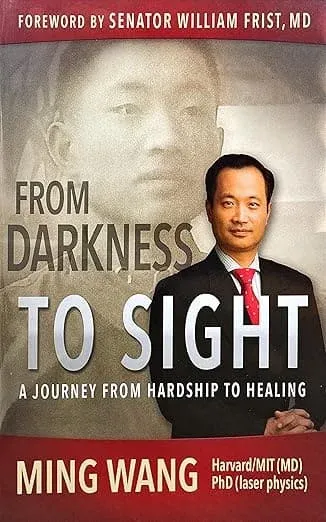
Dr. Ming Wang, MD, PhD
Dr. Wang is an ophthalmic surgeon whose work in eye care and vision restoration has been recognized internationally. His personal journey was the inspiration for the motion picture Sight.
This article is general educational information about glaucoma and eye pressure. It is not medical advice, and it is not intended to diagnose, treat, cure or prevent any disease. If you have glaucoma or elevated intraocular pressure, continue the treatment prescribed by your eye care professional and consult them before making any change. TrueVision may receive compensation from products featured in the linked presentation.